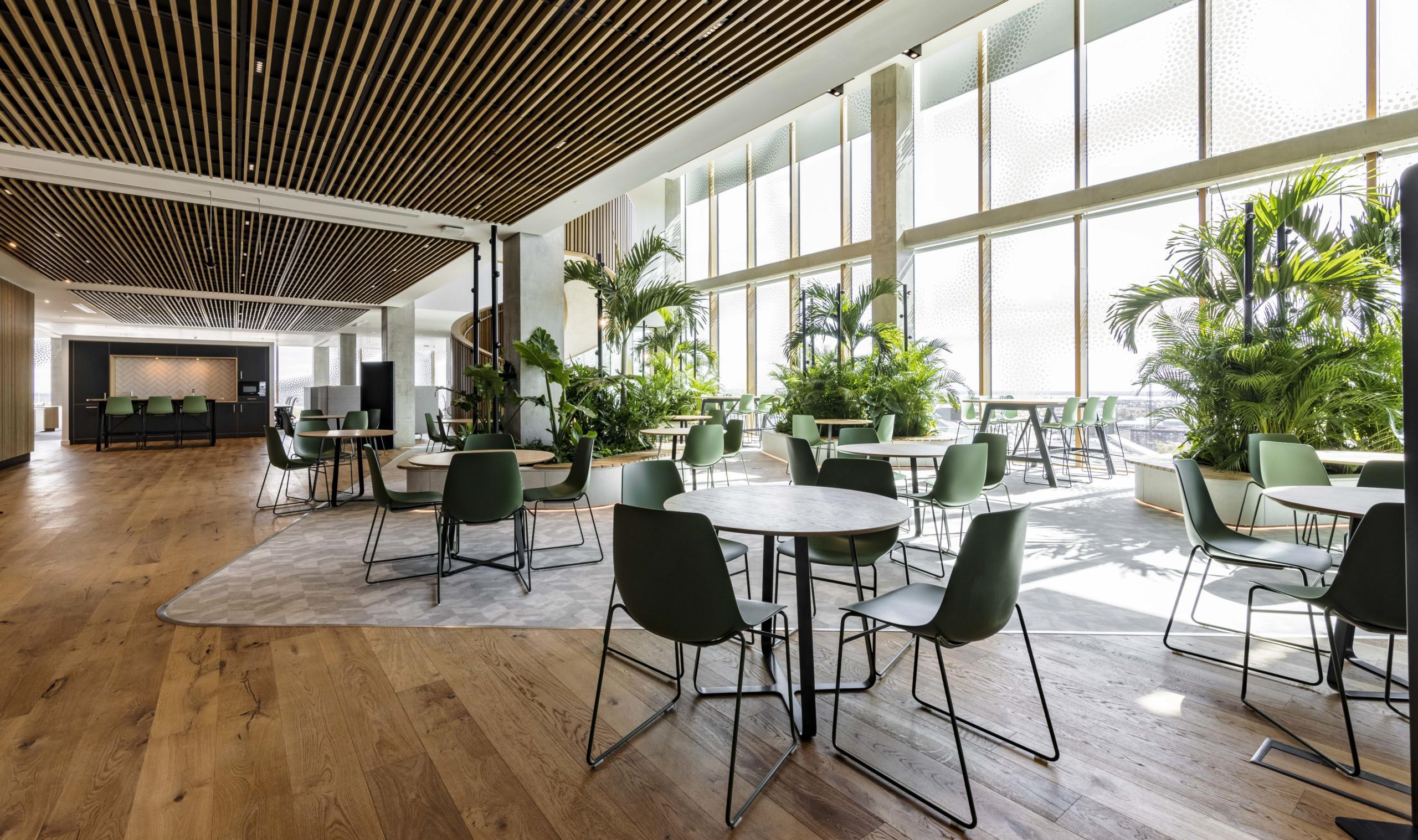
Energy efficient lighting
Top 3 reasons to choose
energy efficient, intelligent lighting systems.

Reach up to 85% energy savings
when compared to schedule-based fluorescent lighting.

Achieve building and sustainability standards
such as BREEAM, WELL, LEED, and EN-12464-1.

Renovate with ease
improve employee wellbeing and productivity, reduce sick days.

What does energy efficient lighting look like in practice?
Click the case studies below!

AN EXCEPTIONAL LIGHTING TRANSFORMATION
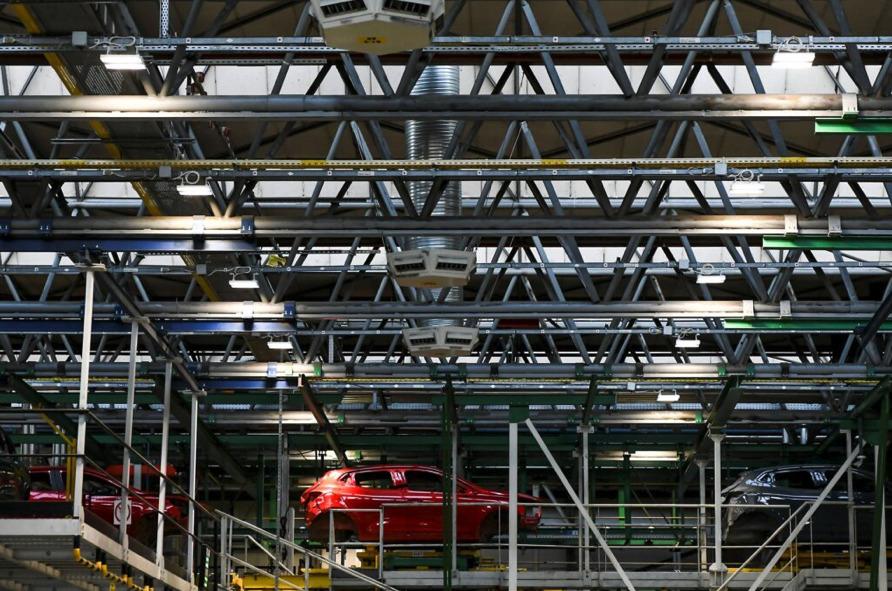
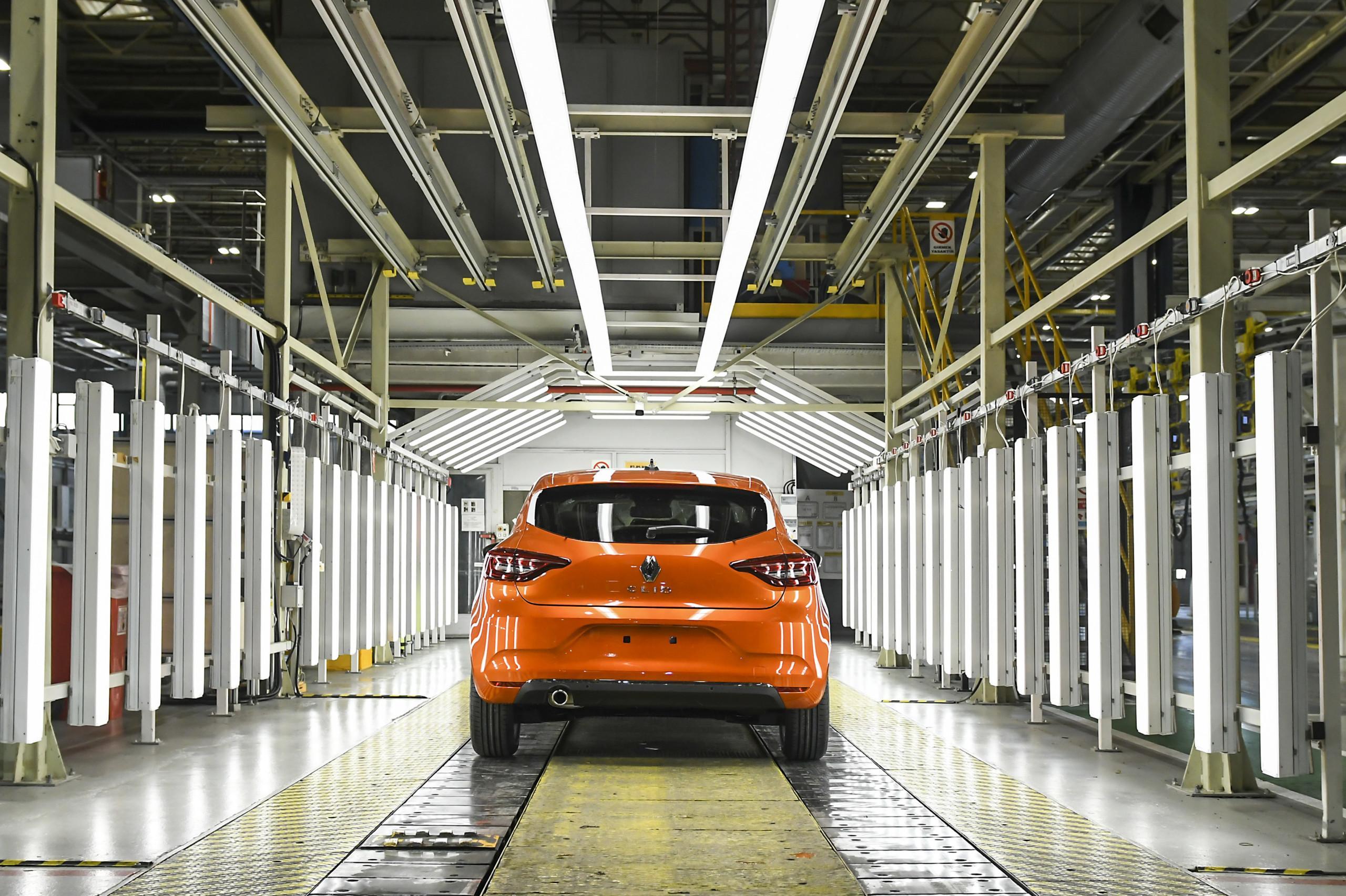
At the Oyak-Renault Automobile Factory, a switch to energy-efficient, intelligent lighting enables approximately 11 MWh of energy to be saved annually— equivalent to the yearly electricity consumption of 4,700 houses!
The challenge
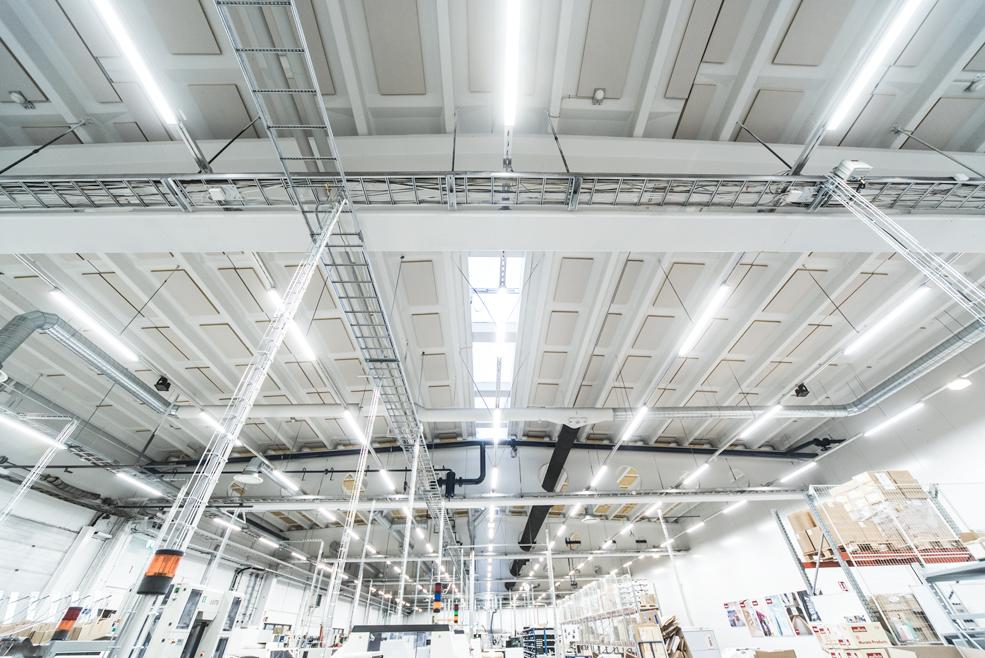
A key focus of this project was to provide energy efficient lighting for working environments in the closed areas of the factory. However, with an application area of 380,000 m² and a total of 16,400 lamps to be replaced, the Oyak-Renault Factory needed a particularly scalable lighting system.
The Helvar solution
Along with state-of-the-art LED luminaires, the new lighting system also features automatic dimming based on daylight levels, a time clock setting, and a motion sensor application— all working together to provide maximum energy savings throughout the factory. In addition to these features, operating costs have been reduced significantly by controlling the entire campus from a single point.
The result
• Approximately 70% energy savings were achieved.
• Estimated annual savings equivalent to the yearly electricity consumption of 4,700 houses.
• 5,000 tons of carbon emissions will be reduced annually.
• Highly Commended by the DALI Alliance at the 2021 DALI awards.
“The feasibility study, which lasted 12 months, stands out as the largest energy-saving project ever realised at the factory.”
EFFICIENCY WITH PEOPLE AT THE CORE
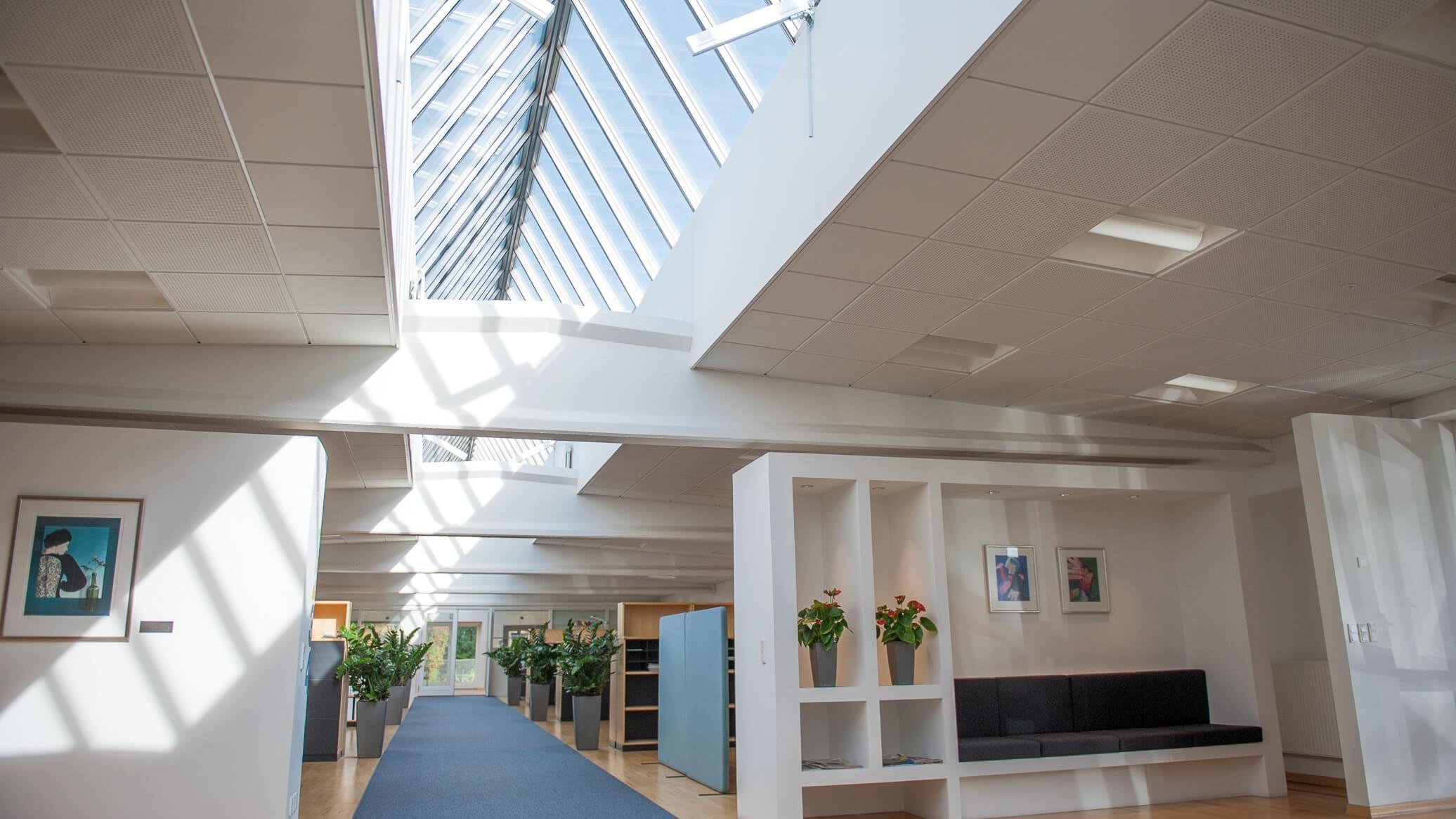
By choosing an intelligent lighting solution with Tunable White, the SafeExIT Denmark office benefits from both strong energy savings and a comfortable, adaptable working environment.
The challenge
A quick and impactful lighting upgrade was the main goal for SafeExIT. Apart from meeting energy efficiency requirements, the lighting system should also be easy-to-use and have positive impacts on the people in the space.
The Helvar solution
With the aid of Helvar’s Designer software, implementing a new lighting control system was quick and straightforward. When the lights are switched on, everything works automatically, resulting in a holistic automated lighting solution. Working in conjunction with the system, additional Helvar sensors use PIR, constant light and infrared control to ensure optimal energy-efficient performance.
The result
• Helvar’s local partner calculated that SafeExIT’s old consumption was 16,517 kWh. The new calculation was 3,909 kWh per year, meaning a massive reduction of 12,607 kWh per year, equivalent to an annual saving of €3,362.
• With Helvar’s SceneSet app, lighting scenes can be changed seamlessly and easily, which serves as an excellent training tool.
• The refit utilised existing fittings to ensure reduced costs and upheaval, with no need to remodel the existing ceiling.
“We’re delighted with the end result; everything looks much fresher now, and the previous lighting had become tired and outdated.”
CREATING A BREEAM ‘OUTSTANDING’ SPORTS COMPLEX
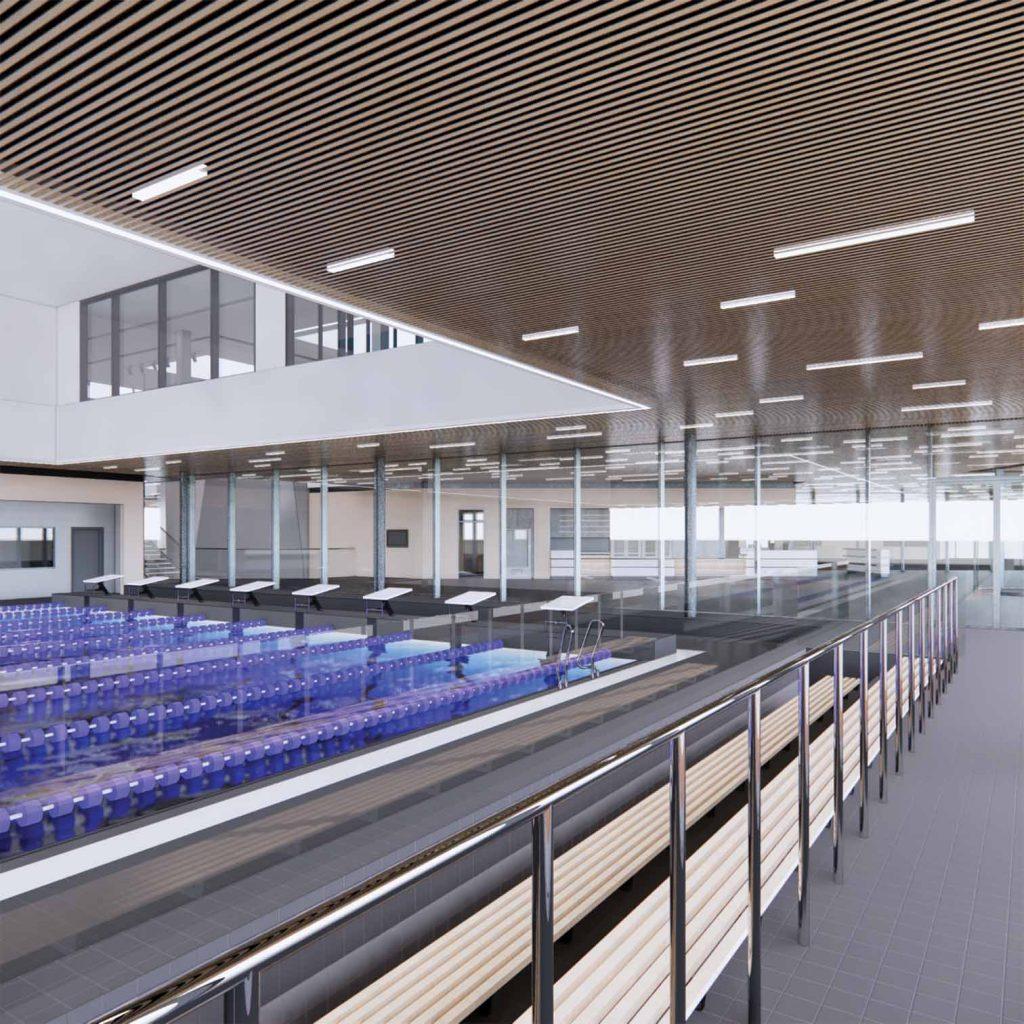
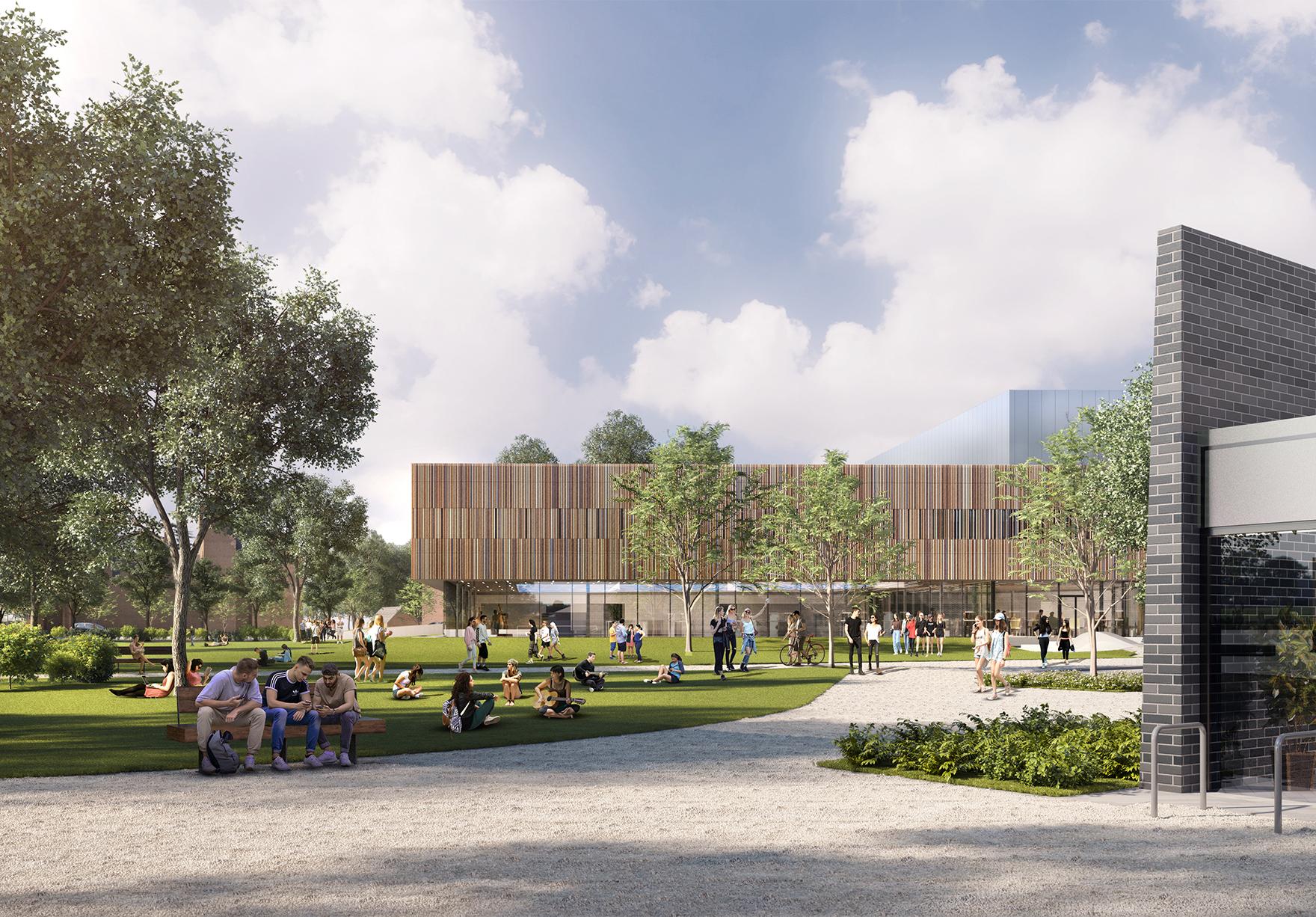
Designed to be one of the UK’s most sustainable sports centres, this complex uses intelligent lighting controls to provide dynamic lighting for multi-use spaces, to integrate into the HVAC system, and to generate data insights that help maximise the building’s energy efficiency.
The challenge
Creating a sustainable sports centre with an area of 11,009m2 requires choosing technologies that are scalable, interconnected and highly efficient. The ambitious design consists of many different facilities, including: eight sports halls, 25m eight-lane swimming pools, a fitness suite, multi-purpose studios, squash courts, a ski simulator, a climbing wall, teaching spaces, a café, and an underground car park— all of which demand a diverse lighting setup.
The Helvar solution
Working together with Luminaire Manufacturer WILA, Helvar provided a ‘one-stop solution’ that was a perfect fit for the sports centre’s complex control requirements. The use of Open Protocols (DALI & Ethernet) allows for a highly customisable solution with a multitude of features, including presence and absence detection, customisable scene setting, HVAC integration, control of both DALI and DMX lighting drivers, and a cloud-based suite of digital services; all contributing to form an intelligent, energy efficient lighting system.
The result
• The design for the Ravelin Sports Centre received an ‘Outstanding’ rating from BREEAM UK, the world’s leading sustainability assessment for buildings.
• With an aim to be net carbon zero ready, the Ravelin Sports Centre is regarded as one of the most sustainable sports centres in the UK.
• Helvar Insights takes advantage of the data gathered from the lighting system to allow for continuous space usage optimisation, proactive monitoring of system health and control of lighting groups remotely, which all contribute to saving maintenance time and overall energy usage.

“With an impressive 11,009 m² worth of space benefiting health and the environment, students, staff, and local residents can enjoy the facilities to play, train and compete.”
No compromise needed.
On top of bringing substantial energy savings, intelligent lighting controls allow for:

HUMAN-CENTRIC SPACES
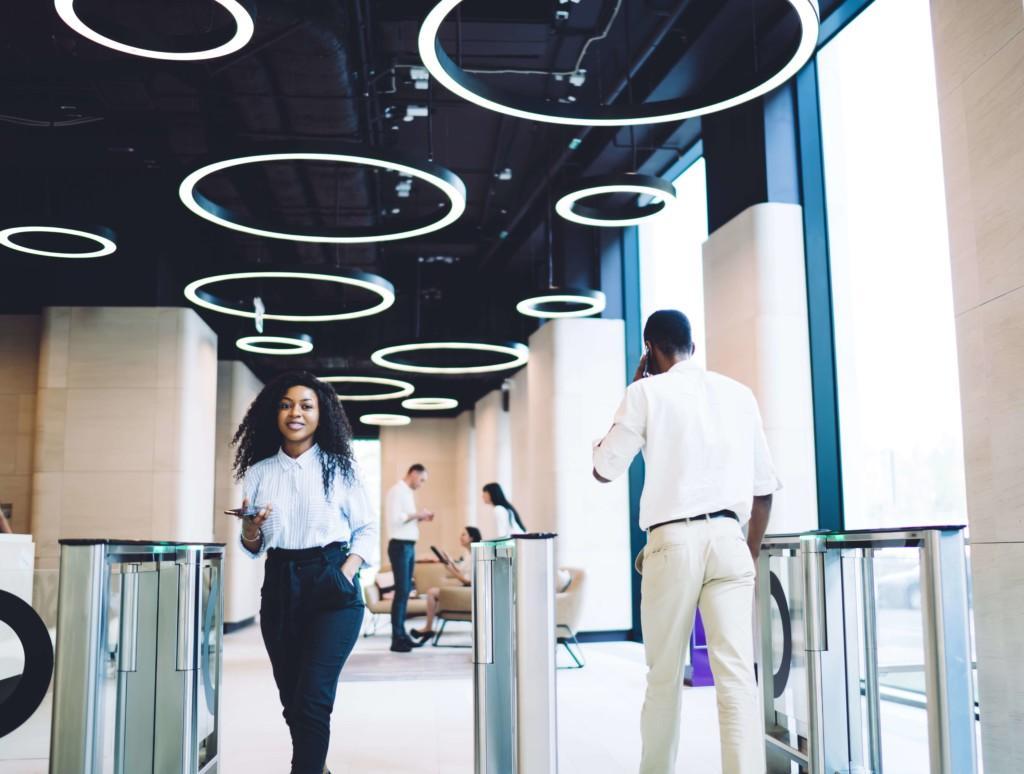
We’re on a mission to create brighter, more comfortable and truly people-focused spaces. With intelligent lighting solutions, you can create Human-Centric spaces that help people to function and feel at their best, while minimising energy usage and reaching your sustainability targets.
FLEXIBLE, HYBRID SYSTEMS
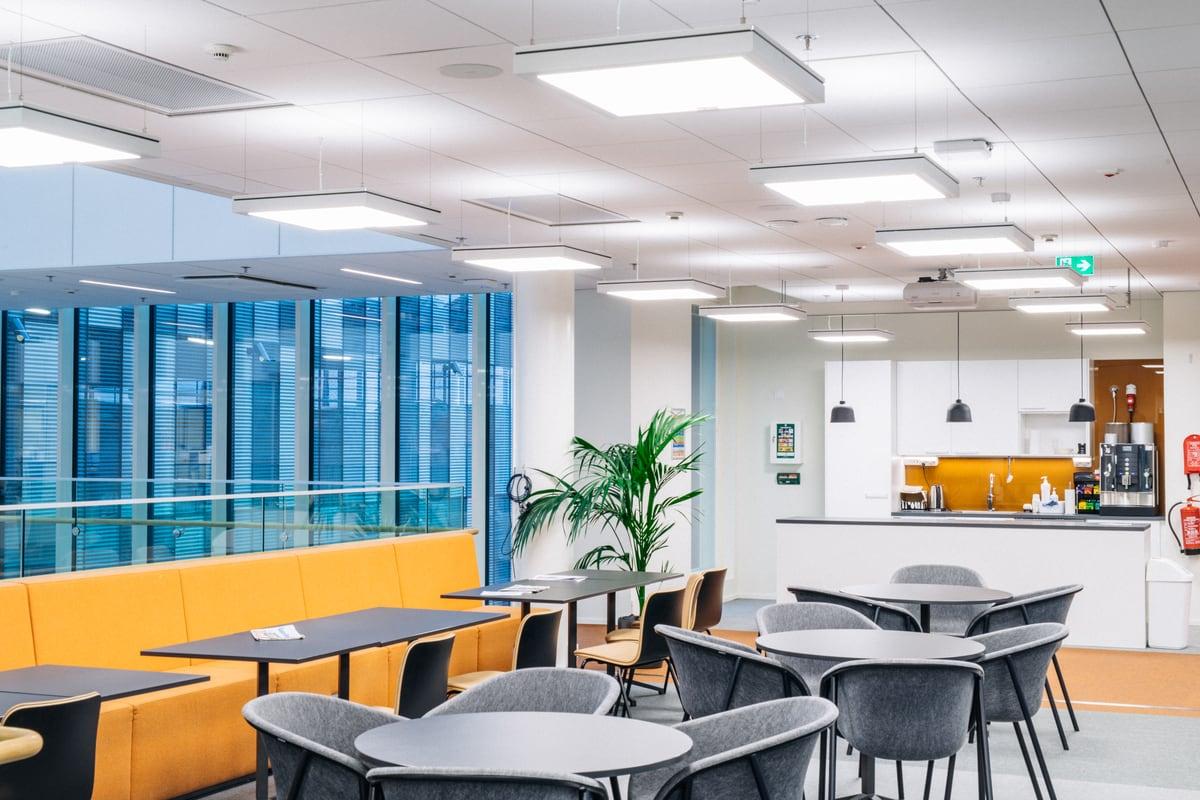
Wired or wireless, small- or large-scale, new build or renovation projects— Helvar’s intelligent and energy-saving lighting solutions are designed to suit any building requirements. Futureproof your space with lighting controls that are simple to install, maintain and reconfigure for any changes in the space.
INTEGRATIONS AND INSIGHTS
Achieving a truly sustainable space is not possible without smart building technologies, which must communicate and work together to minimise energy usage and allow for constant optimisations. By choosing intelligent lighting controls, you can integrate with a variety of building systems and simultaneously gain access to valuable data and insights.

Energy efficient lighting solutions for any project requirements
With decades of expertise, we provide intelligent lighting control solutions and luminaire components that help you to reach your sustainability and energy-efficiency targets.
HELVAR LIGHTING CONTROL SOLUTIONS
Futureproof your space today.
Our solutions allow you to design custom, connected lighting systems for a variety of spaces. Intelligent lighting brings incredible value through a range of scalability, flexibility, efficiency and wellbeing benefits. Wireless, wired or the best of both— we’re here to help you save time and energy costs through our diverse portfolio and dedicated support.
HELVAR INSIGHTS
Boost efficiency. Save time. Take control.
Bring your building efficiency to the next level with Helvar Insights, our cloud-based suite of digital services. Helvar Insights uses data from existing lighting control systems to show you exactly how your building is being used, allowing you to optimise your space usage, wellbeing impact and maintenance processes.
Start your journey towards more sustainable spaces today.
At Helvar, we take pride in our intelligent solutions that help to reduce energy usage and carbon footprints. Our lighting experts are happy to discuss your project requirements.