What is DALI Lighting / DALI-2 Lighting?
So, what are DALI and DALI-2?

DALI stands for Digital Addressable Lighting Interface. DALI is a two-way open protocol – a digital, internationally adopted language used to control lighting such as LED Drivers. This allows information to be transferred between devices, such as lighting commands, fault details and diagnostics.

DALI-2 is the latest version of DALI. It offers improved interoperability between different vendors’ products through mandatory certification, more features such as energy data, but most importantly, it includes the addition of control devices which were not included in the original DALI.
Why choose DALI?

INTEROPERABILITY
DALI / DALI-2 is an open standard for lighting. Selection of the luminaires is easy when specifying with DALI-2. With DALI-2, the control devices are also certified, helping to improve multi-vendor compatibility between devices.

FUTURE-PROOF & FLEXIBLE
Spaces can be reconfigured using software without the need to re-wire, making DALI a flexible and sustainable solution with a low total cost of ownership. Future additions, alterations and improvements are easy compared to other industry or manufacturer’s own protocols or traditional circuited lighting.

BUILDING EFFICIENCY
Lighting controls are essential for reducing a buildings energy consumption – using DALI can extend the lifespan of a lighting system and provide full system visibility to monitor and optimise usage.

LESS WIRING
DALI systems require substantially less wiring than traditional lighting systems, meaning less work and lower costs. DALI wiring costs less and is more robust since it’s topology and polarity free.

GROUPING CONTROL
DALI enables the creation of multiple groups, meaning users can control a single luminaire, a whole room or an entire floor.
Why choose a Helvar Solution?
Imagine Router Solution
Imagine is Helvar’s state-of-the-art DALI lighting management system featured in thousands of incredible projects worldwide, designed for seamless integration with building management systems (BMS).
ActiveAhead
ActiveAhead is Helvar’s intelligent wireless lighting solution which can be extended to DALI luminaires via ActiveAhead DALI Nodes and DALI LED Drivers.
RoomSet
RoomSet is Helvar’s out-of-the-box room lighting solution – controlled by the RoomSet App, it’s easy to install in spaces such as classrooms and meeting rooms.
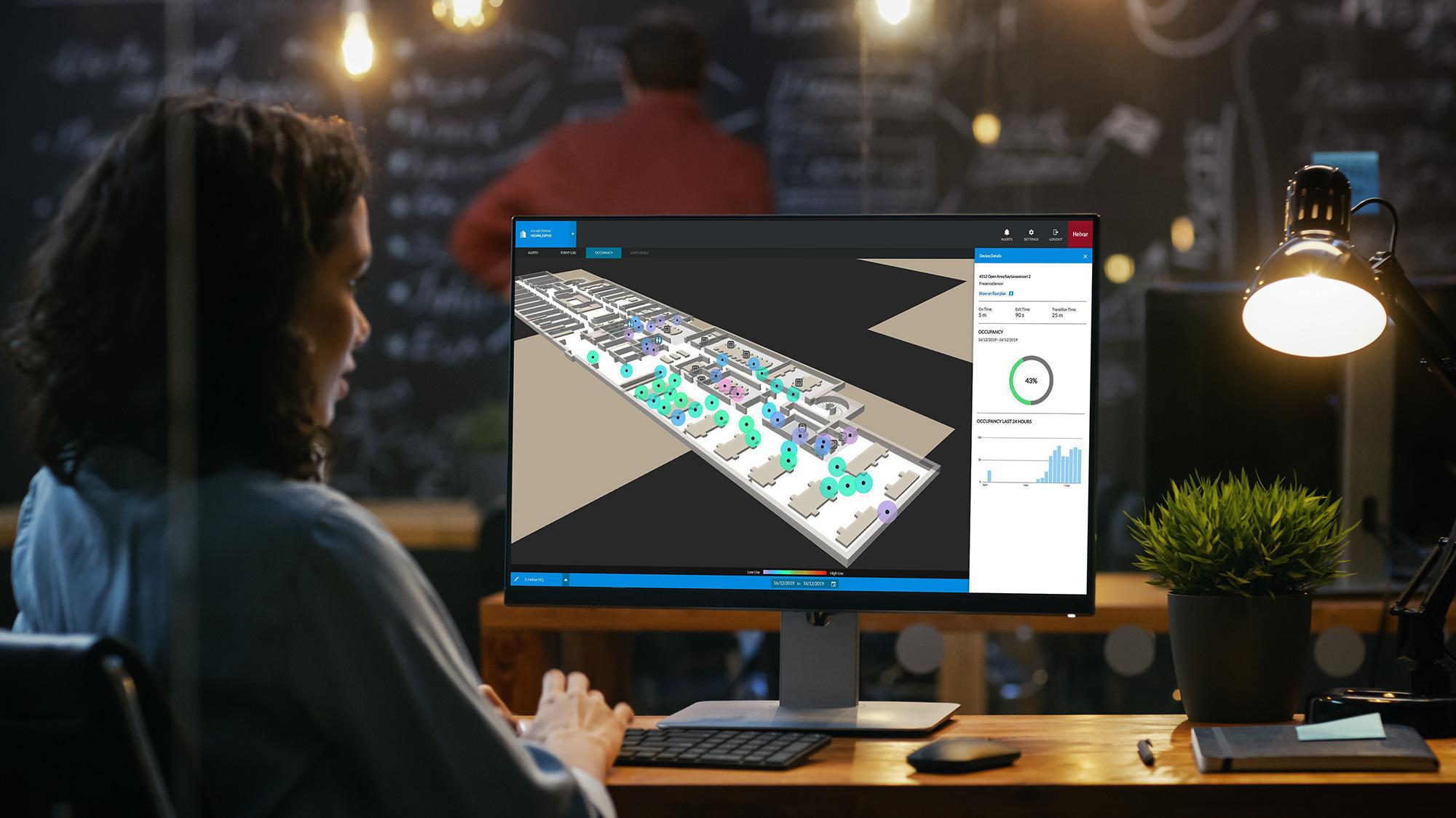
Helvar Insights
Helvar Insights provides full visibility of space usage, with detailed occupancy reports to support optimisation.
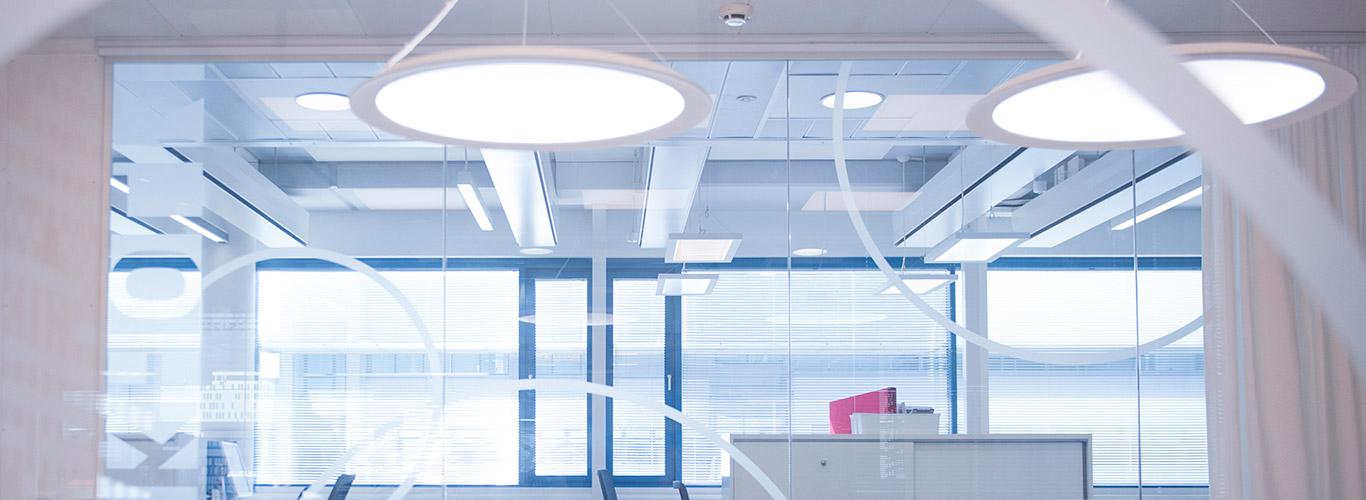
Helvar DALI LED Drivers
We’re specialists in dimmable LED lighting across DALI, DALI-2, Tunable White and much more.
The Benefits Helvar brings beyond DALI

WELLBEING
Fixed lighting is unnatural. Helvar Intelligent Lighting Solutions enable the design of indoor lighting to include intensity control, colour temperature control, and colour control in a standardized way using a single DALI address – DALI DT8 – to positively support wellbeing.

SCALABILITY
With Helvar Imagine, the sky is the limit. Our intelligent lighting control solution works perfectly for all spaces, whether it’s a meeting room, a row of classrooms or an entire skyscraper.

INTELLIGENCE
Helvar Solutions provide insights which enable continuous optimisation of a space over its lifetime, such as PIR timeout reporting. With Helvar ActiveAhead, we introduce award-winning Wireless Artificial Intelligence to lighting controls. ActiveAhead will continuously learn and generate insights, maximising positive impact on wellbeing, and optimising your ever-evolving building.

CONNECTIVITY
Easily integrate with other systems at a building or cloud level with Helvar Imagine. Control lighting and adjust settings on-site or remotely. Gain complete control of a space by integrating with HVAC, AV, Blinds, Security, Fire Systems and more.

FLEXIBILITY
When requirements change and evolve, our solution is flexible to adapt and expand easily either by software or adding to the network, providing a lower total cost of ownership than other standalone or non-DALI based solutions.
Global Project References
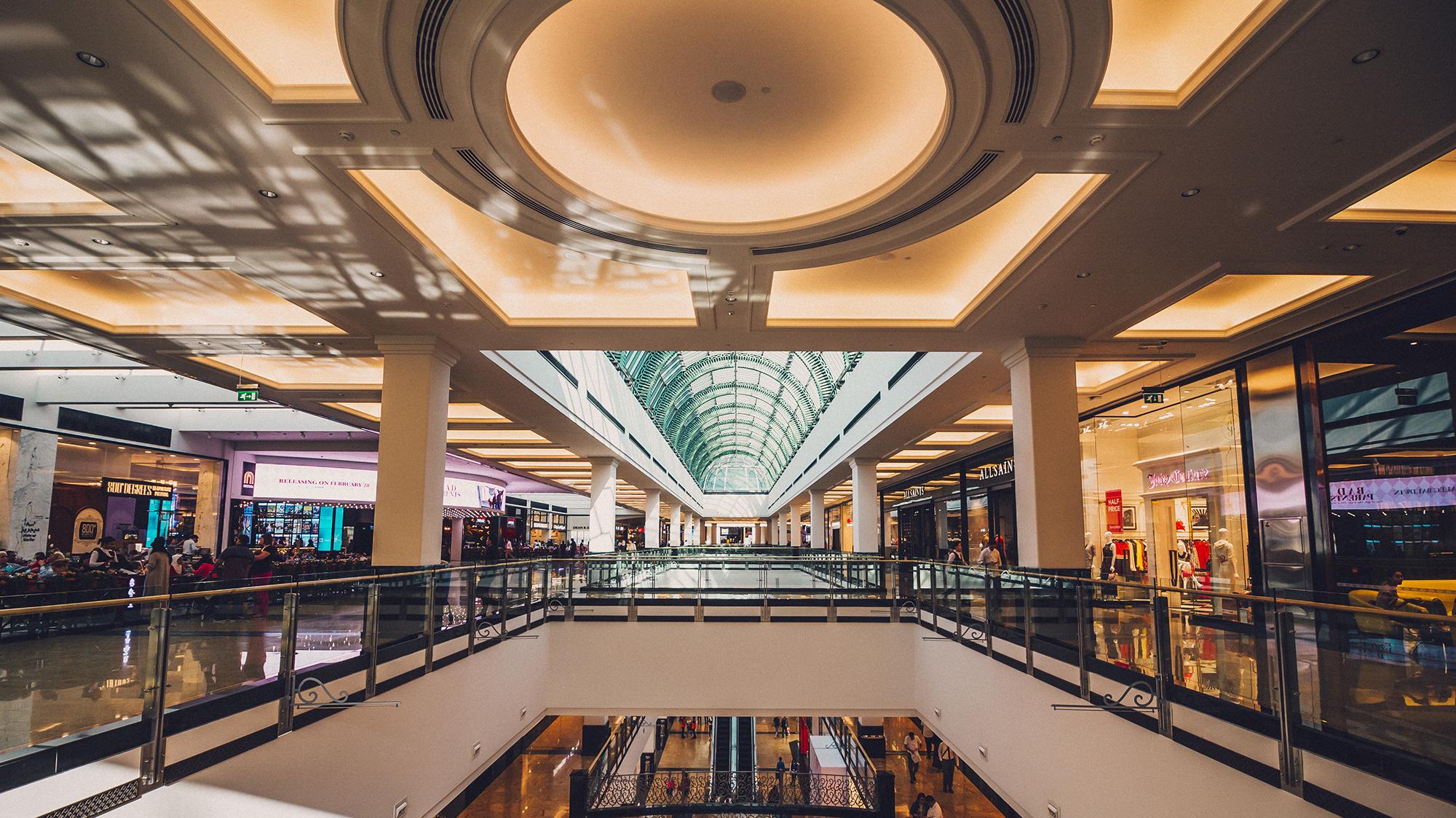
Dubai Mall
The Dubai Mall is one of the world’s largest shopping malls. This mega-project won ‘Best Use of Lighting in a Retail Environment’ award, based on DALI lighting technology which enhanced the quality and ambience of the space! The Imagine System integrates with DMX for full control of every luminaire.
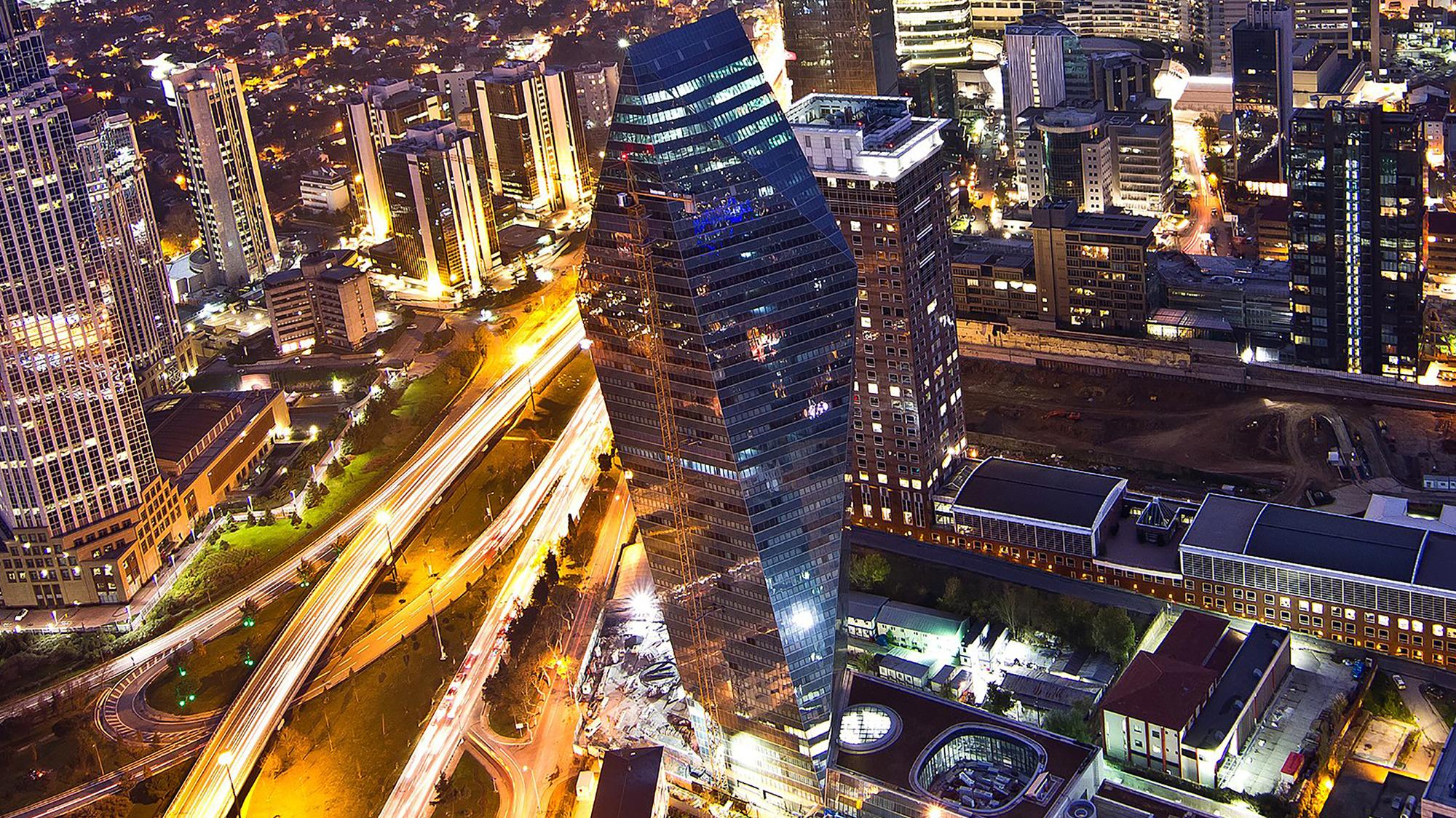
QNB Finansbank
The Crystal Soyak Tower is a 35-floor high rise tower. It’s made up of asymmetrical sloping surfaces – making it an umissable addition to the Istanbul skyline in Turkey. The building features a fully automatic sun-tracking blind control system. This is enabled by DALI integration with the Tridium Niagara Framework.