What is circadian lighting?
Introducing the circadian rhythm
Simply put, the circadian rhythm is a biological cycle that keeps your body ‘on schedule’ throughout the day and night. A critical part of the circadian rhythm is how human physiology reacts to light, and the brightness of its surroundings.
The body’s ‘master clock’ regulates various functions and processes in our body based on this reaction to light, such as the production of hormones that prepare us for waking and sleeping, hunger, alertness and body temperature.
Seeing too much or too little light, or receiving light at the wrong time of the day, can upset our circadian rhythms and impact health and wellbeing, increasing the risk of a number of diseases. [1]


What is circadian lighting?

Circadian lighting is lighting that supports the circadian rhythm and psychological health through a combination of natural and artificial light sources.
Essentially, circadian lighting involves providing the appropriate intensity and spectrum of light throughout different points of the day.
Setting up circadian lighting is easier said than done however, as people have different working hours, rhythms and needs, and, depending on the task at hand, may require differing lighting configurations.
In addition to rod and cone cells, the eye also contains other light sensitive receptors which are linked with mental alertness. The spectral sensitivity of these receptors are different to that of cone cells: the sensitivity curve of cone cells peaks at yellowish light at 555nm, whereas the peak sensitivity of the newly discovered receptors seemed to be in the bluer, colder light at about 470nm. [2]
In practice, this means that our alertness responds not only to the intensity of light but also to the colour temperature. From prior research, we also know that exposure to light can increase alertness much quicker too [3]. Of course, this makes sense when you consider the variations we experience in natural daylight. It changes in terms of both intensity and colour temperature, not only over the course of the day but also as the seasons change.
Powerful bluish morning light suppresses the production of Melatonin (natural soporific) thus supporting the production of Cortisol (stress hormone), which allows you to be alert, active and ready for the working day, and Serotonin, which elevates your mood. Warm, cosy light in the evening releases the production of Melatonin (natural soporific), which leaves you feeling relaxed and sleepy.
Bearing this in mind, it has become apparent that the direction of light, colour temperature and overall illuminance levels in a space can have a notable effect on a person’s mood. One way to support the natural circadian rhythm of a person is by using warmer (relaxing) light with lower intensity in the evenings, and cooler (energising) light during a typical working day.
Closely related to circadian lighting and often used interchangeably is the concept of Human Centric Lighting (HCL), which is lighting that can support health, well-being and performance through visual, biological and emotional benefits of light. Although both terms share similarities, it is important to note that HCL has a broader focus, taking into account additional lighting design elements that have impacts beyond the circadian rhythm.
Increasingly, we are also seeing the concept of Integrative Lighting emerge, which refers to lighting “specifically designed to product a beneficial physiological and/or psychological effect upon humans”.
Below is a short summary of these different concepts:
Human Centric Lighting (HCL):
Supports health, wellbeing and performance of humans by combining visual, biological and emotional benefits of light.
Integrative Lighting:
Lighting specifically designed to produce a beneficial physiological and/or psychological effect upon humans.
Circadian Lighting:
Supports circadian and psychological health through artificial lighting & indoor daylight exposure and outdoor views.
The importance of circadian lighting

Health benefits
Proper lighting can have a significant impact on sleep, mood and general wellbeing [4]. Blue wavelengths, for example, can disrupt the secretion of melatonin, which can then disrupt sleeping patterns [5]. Circadian lighting is therefore particularly important in areas such as healthcare and hospitality.

Productivity benefits
As well as supporting the overall health and wellbeing of people in the space, circadian lighting can also impact alertness during working hours [6]. Intelligent lighting control systems can help you set up the right light at the right time and place, reducing stress levels and complementing circadian rhythms.

Achieve building standards
The WELL Building Standard, for example, acts as a benchmark for optimal building performance, and is focused around spaces that benefit occupant health and wellbeing. Achieving such standards means creating a truly sustainable and people-focused space; a space to be proud of. Read more about WELL.
Lighting controls and circadian lighting
Lighting control systems are widely used in both indoor and outdoor lighting of commercial buildings to provide the right amount of light where and when it is needed. Such systems are also used to maximise energy savings, comply with relevant building regulations, and to help achieve sustainability targets.
As experts in DALI and wireless lighting control systems, we offer a range of lighting control solutions and luminaire components to suit any project requriements.
The Imagine Router Solution
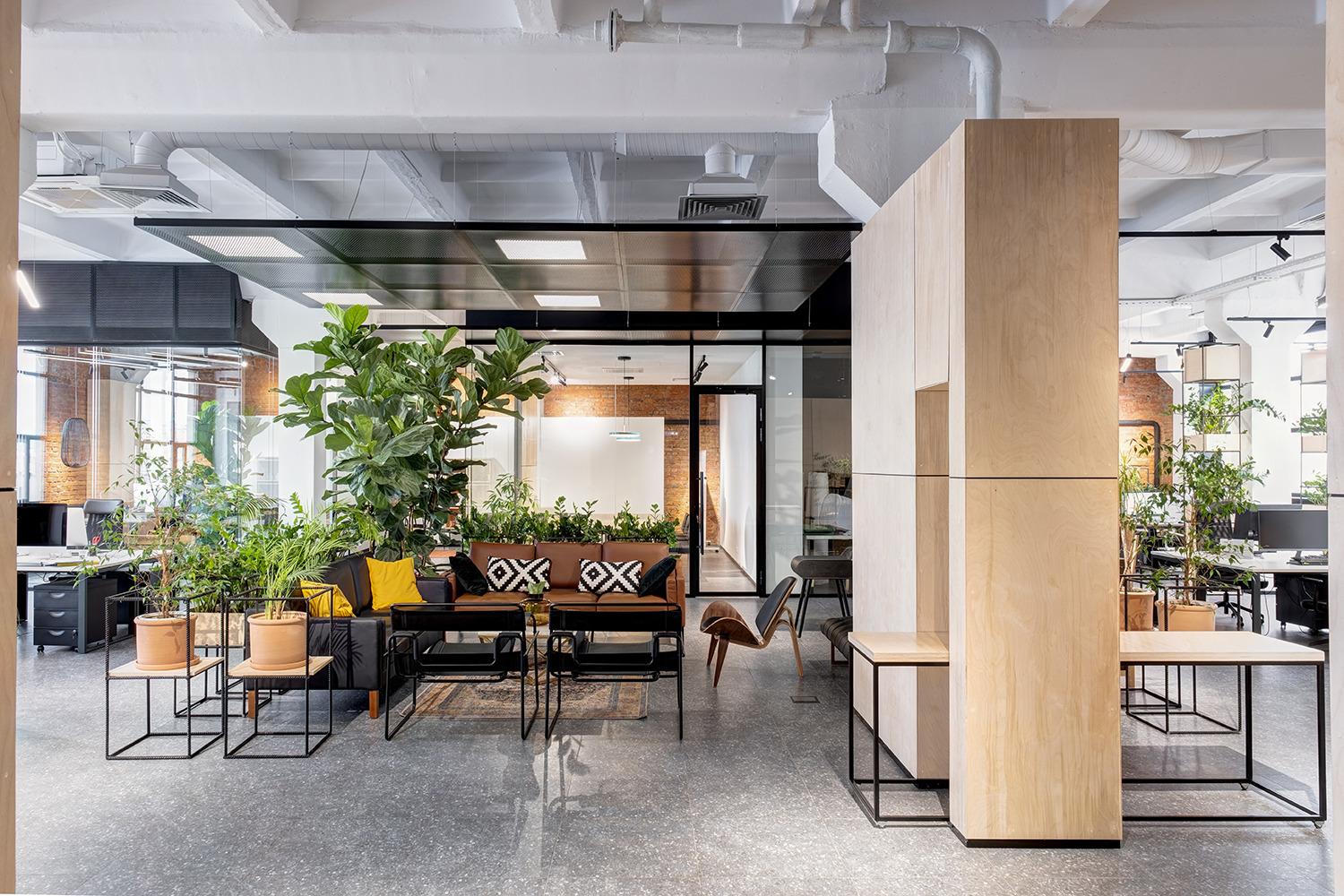
With the Imagine Router Solution, you can design custom, connected lighting control for your office. Perfect for a meeting space, an entire floor or an entire building. Imagine integrates with BMS systems, offering incredible value through a range of scalability, flexibility, efficiency and wellbeing benefits.
Tunable White Drivers
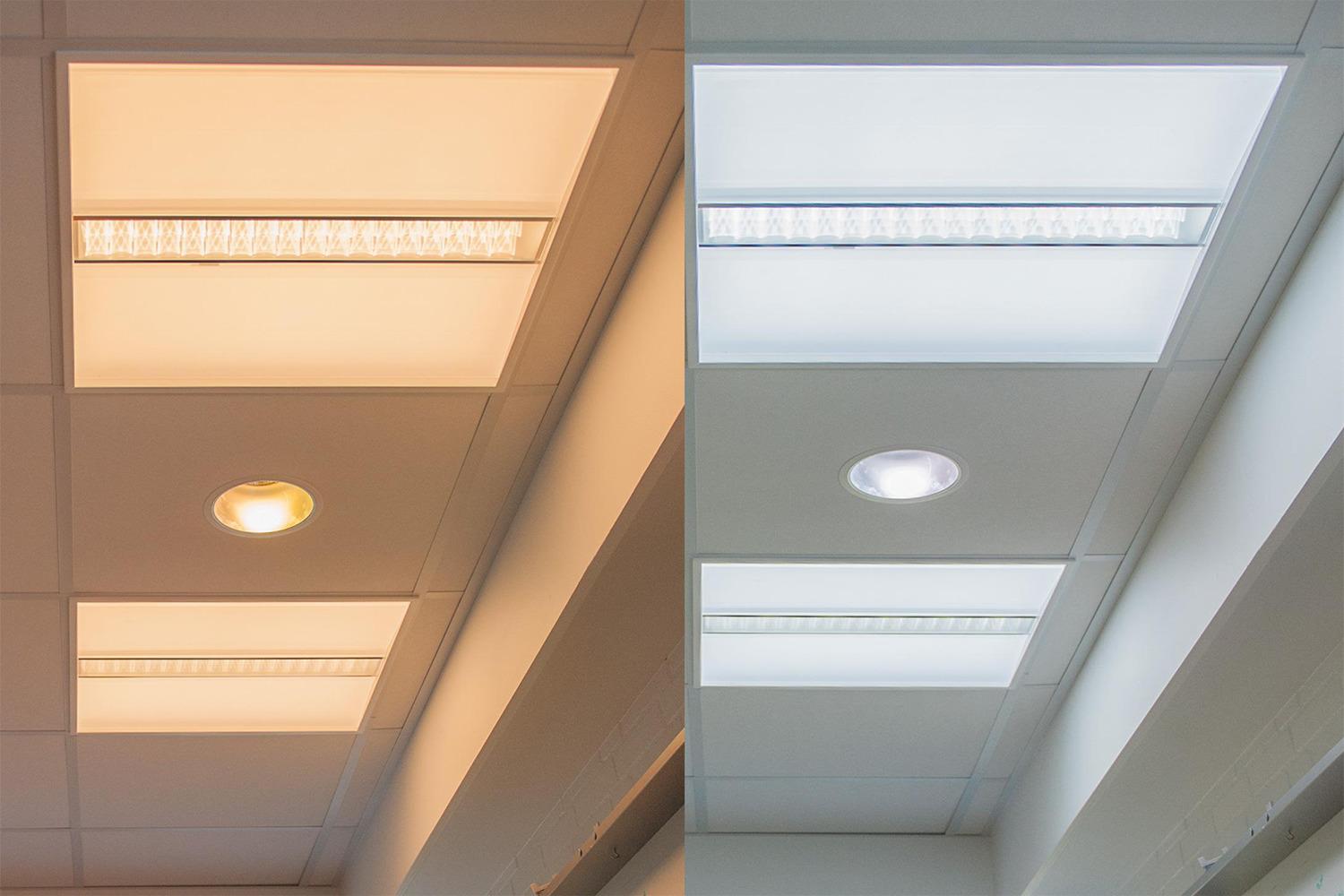
Tunable White is the ability to tune light colour temperature (measured in Kelvin) or full colour. Our iC range of Tunable White drivers are perfect for wired and wireless projects, which means they suit a variety of luminaire designs. Flicker-free amplitude dimming also helps support visual comfort for uses. The entire portfolio offers vast output current options and wide dynamic ranges.

Light over Time™
Light over Time is an innovation in Helvar’s Human Centric Lighting range, Intelligent Colour, or ‘iC’. This intuitive software brings a graphical lighting profile creation tool for dynamic Tunable White solutions, which can be easily customised to suit a range of applications – enabling lighting designers to create perfectly tuned Light over Time profiles matched to specific project environments.
See lighting controls and circadian lighting in action!
Case study:
Vasakronan Head Office – Sweden
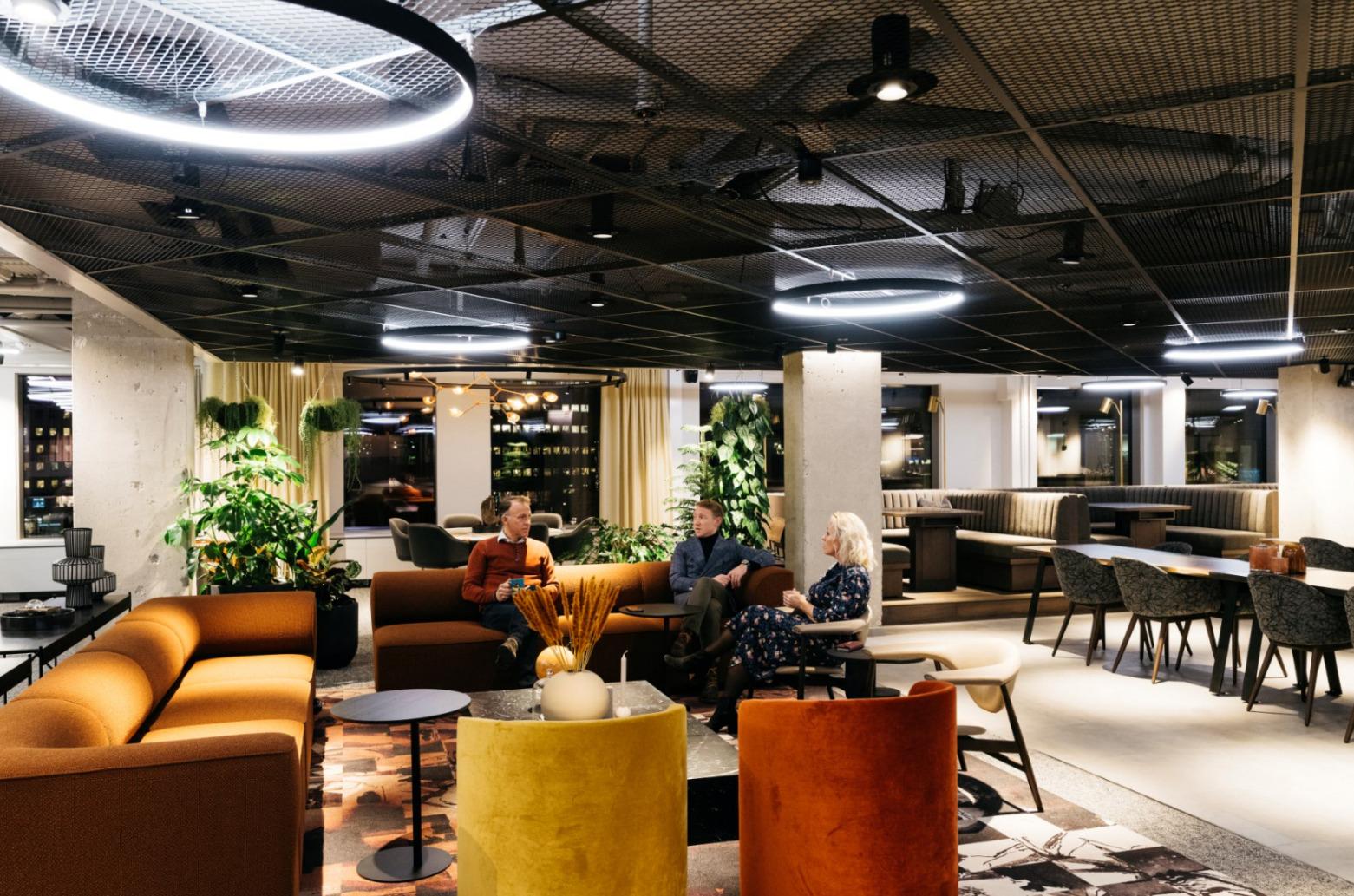
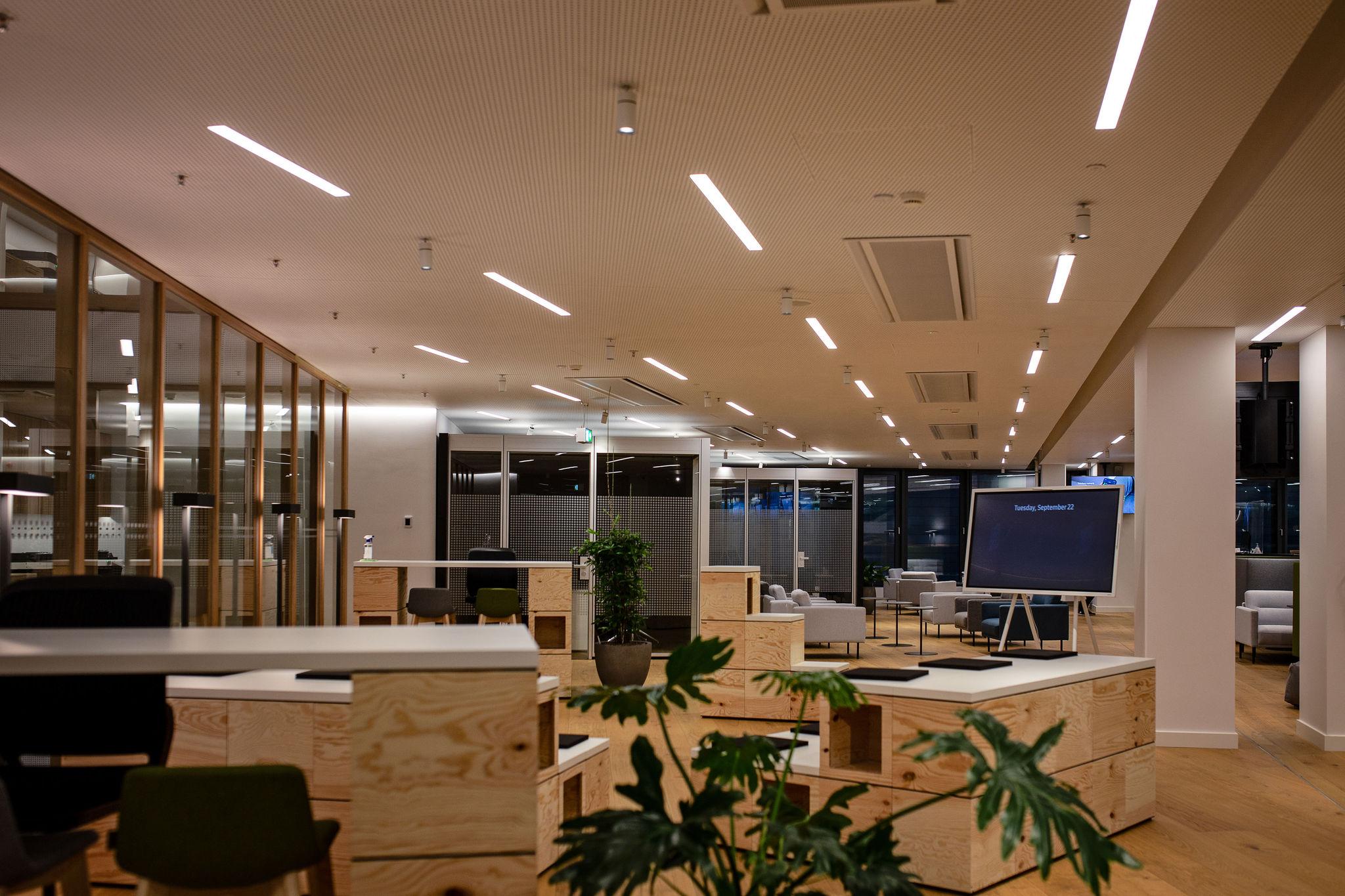
Vasakronan is Sweden’s largest property company. After an extensive renovation, the Vasakronan Head Office now accommodates a modern, flexible and stylish workplace with a strong focus on employee wellbeing. Different lighting schedules were programmed to follow the rhythm of natural light, creating circadian benefits for everyone in the space.
Case study:
SEB Bank HQ – Lithuania
At the SEB administration building, the lighting concept was closely coordinated with interior design elements to create a unique mood with a strong focus on wellbeing. Through a combination of sensors, controls and modern lighting fixtures, the building can balance natural and artificial levels of light to maximise positive impact on the circadian rhythm.
Case study:
Rogers Stirk Harbour and Partners Studio
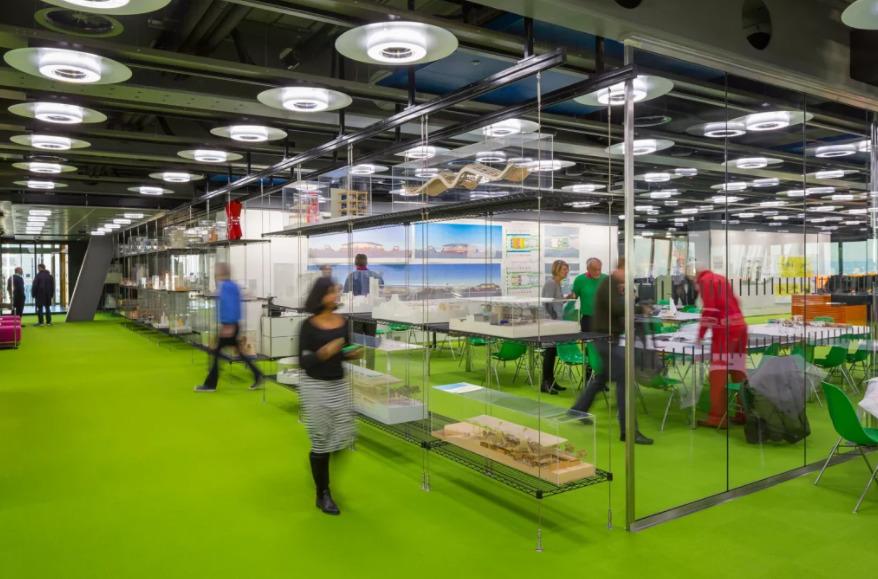
Enhancing the office environment, improving staff comfort and boosting performance were the cornerstones for this project at the Rogers Stirk Harbour + Partners (RSHP) Office. Helvar’s solution allows for seamless transitions in color temperature and intensity, which allows tthe RSHP office space to closely reflect the natural circadian cycle.